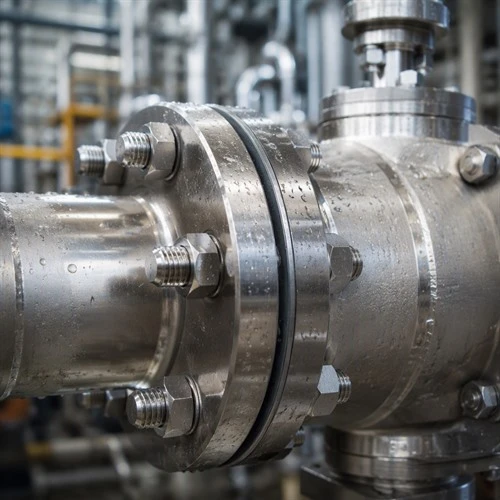
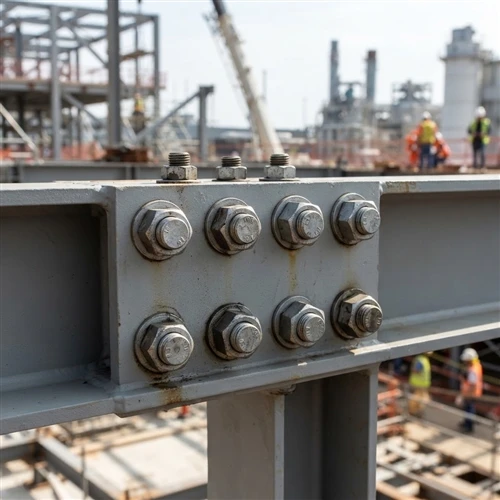
First, clearly describe Forged Turnbuckle operating conditions, stress requirements, environmental requirements, or available drawings. Those inputs can begin design analysis, drawing development, and process planning, while a drawing or sample can clarify the requested configuration.
Next, confirm the product facts: M4-M30, chosen material, chosen surface treatment, rope-tensioning duty, and OO, CC, or CO terminal arrangement. Remote technical collaboration can address connection reliability, process optimisation, and cost suggestions during early design, while the end-code choice remains tied to the required dismantling routine.
Afterward, installation support may use video calls or live AR marking for diagnosis and step-by-step guidance. Remote collaboration may cover reliability assessment, process optimisation, and cost suggestions at critical connection points. Installation guidance follows later, while after-sales handling addresses non-human quality issues through repair, replacement, or return.
Finally, after-sales service covers repair, replacement, or return for non-human quality issues. A Forged Turnbuckle order can connect confirmed size, material, finish, and terminal form with the required support stage. Each stage has a clear outcome: requirement note, drawing or order confirmation, technical communication, installation guidance, and an after-sales resolution where applicable. This sequence keeps technical cooperation, installation assistance, and quality handling as distinct service stages. The order record can also show which support stage has been completed.