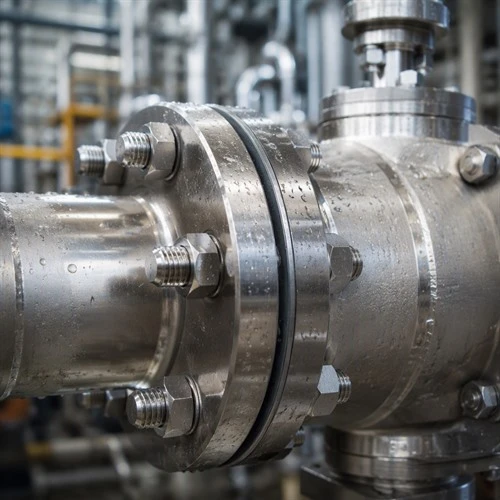
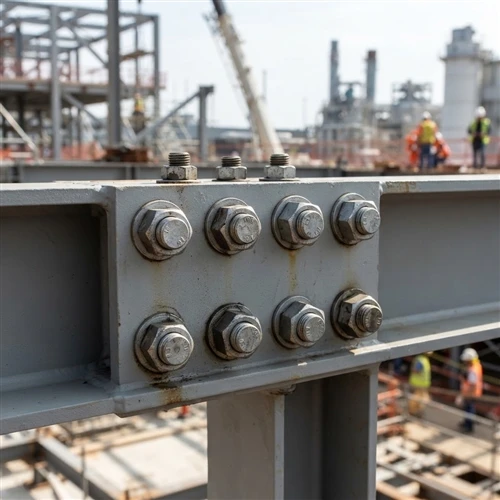
In electrical and mechanical engineering systems, galvanized pipe clamps serve as fundamental components ensuring facility safety. Primarily used to secure pipelines under complex operating conditions, their performance directly determines the structural stability and operational safety of pipeline systems.
Material quality and corrosion resistance are critical performance indicators. Industrial-grade clamps typically employ hot-dip galvanizing technology, producing dense zinc coatings that effectively resist oxidation and chemical corrosion. These clamps comply with GB/T 13912-2020 national standards and withstand harsh environments including high humidity and coastal salt fog. Some contractors opt for inferior clamps with thin coatings or uneven spraying to control initial costs, which rapidly rust, cause pipeline sagging, electrical hazards, and increased maintenance and downtime expenses.
Premium clamps are manufactured from national-standard carbon structural steel with compliant mechanical properties, capable of withstanding vibration and thermal expansion stresses. Their precision-bored bolt holes and standard fasteners prevent loosening failures during use. Adopting compliant galvanized pipe clamps is essential for preventing safety incidents and controlling long-term maintenance costs.
Heavy industrial facilities should use heavy-duty clamp-type clamps, while standard models are suitable for general buildings. Special corrosion environments require heavy-duty hot-dip galvanized versions, and explosion-proof zones necessitate dedicated explosion-proof clamps. Standardized galvanized pipe clamps ensure pipeline stability, serving as critical components for enhancing construction quality and safeguarding industrial production safety.