1. Materials
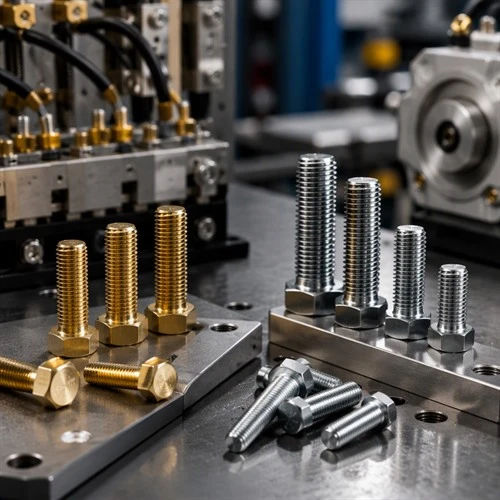
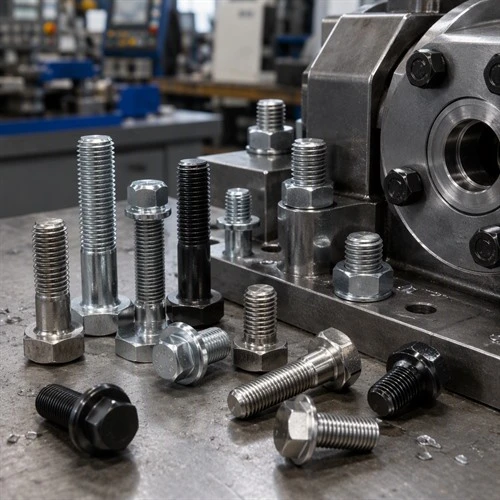
Over 90% of carbon emissions in the fastener industry originate from raw materials; thus, green transformation at the material stage constitutes the primary source of impact. On one hand, priority can be given to procuring "green steel"-produced via processes such as electric arc furnace (EAF) short-route smelting or hydrogen-based direct reduction-thereby reducing the carbon footprint at the very source. On the other hand, by optimizing cold-heading die designs and utilizing multi-station cold-heading machines, material utilization rates can be boosted from the typical 60–70% to over 90%, thereby minimizing steel waste. Furthermore, promoting high-strength fasteners (such as Grade 10.9 and 12.9)-which allow for reduced dimensions while maintaining connection performance-represents a crucial strategic direction at the material stage, enabling "weight reduction for carbon reduction" in sectors such as automotive manufacturing and wind power.
2. Production
Fastener manufacturing involves energy-intensive processes such as wire drawing, cold heading, heat treatment, and surface treatment, making it the primary battleground for green transformation. Regarding energy structure, integrating photovoltaic power generation and recycling waste heat from heat treatment processes for workshop heating or cleaning water preheating can significantly reduce reliance on purchased energy. At the equipment level, upgrading to servo-driven cold-heading machines, energy-efficient heat treatment furnaces, and high-efficiency variable-frequency motors-while requiring substantial initial investment-leads to a marked reduction in energy consumption, with a typical return-on-investment period of just 2–3 years. In terms of manufacturing processes, adopting controlled rolling and controlled cooling (CRCC) wire rods to eliminate the spheroidizing annealing step, replacing traditional acid pickling with mechanical descaling, and substituting highly polluting electroplating with chrome-free zinc-aluminum coatings or water-based paints are all mature and viable pathways for carbon reduction.
3. Supply Chain
Carbon emissions within fastener enterprises span the entire value chain-encompassing upstream raw materials, downstream logistics, and product recycling. Establishing a "green access" mechanism for suppliers-prioritizing the procurement of low-carbon steel and eco-friendly packaging-creates a market-driven incentive for upstream partners to reduce their carbon footprint. In the logistics phase, optimizing transport routes, maximizing vehicle load factors, and establishing regional transit hubs to minimize long-distance hauling can effectively lower carbon emissions. Promoting the use of reusable turnover boxes and metal pallets-thereby reducing reliance on single-use packaging-serves the dual purpose of cutting both carbon emissions and operational costs. Concurrently, developing comprehensive capabilities for calculating carbon footprints across the entire process chain-and sharing this data with downstream customers-enables collaborative carbon reduction throughout the entire supply chain.
4. Policy and Industrial Cooperation
A green transition requires the concerted efforts of both policy and industry. On the international front, the European Union's Carbon Border Adjustment Mechanism (CBAM) has already imposed carbon tariffs on steel; as fasteners are considered downstream products, enterprises that proactively position themselves for low-carbon production will gain a competitive edge in export markets. Domestically, environmental regulations are becoming increasingly stringent; the thresholds for highly polluting processes-such as electroplating and acid pickling-have been raised, thereby compelling an industry-wide restructuring that creates a fairer market environment for compliant enterprises. Regarding industrial cooperation, industry associations and leading enterprises must take the initiative to accelerate the formulation of unified standards for green product evaluation and carbon footprint accounting, thereby providing a solid evidentiary basis for "green fasteners." Concurrently, efforts should be made to foster upstream-downstream collaboration in developing low-carbon wire rods and jointly establishing eco-friendly production lines. Furthermore, energy-intensive processes should be consolidated within specialized industrial parks for centralized treatment, leveraging economies of scale to reduce the costs associated with carbon reduction.